Follow-up and prevention: reduce the risk of recurrence
Treatment may resolve an infestation, but risk can remain: bed bugs can be reintroduced through travel, visitors, neighboring units, second-hand items, or high room turnover. A prevention plan helps you:
- detect early signs quickly
- limit spread (especially in multi-unit buildings)
- apply practical habits (laundry/heat, monitoring, travel precautions)
- document actions (useful in rental or commercial settings)
We do not provide follow-up services directly. We process your request and refer it to a specialized provider when available.
Why follow-up is useful depending on your setting
Multi-unit buildings
A single reintroduction can affect more than one unit. Targeted checks and resident guidance can help reduce risk and support early action.
Hotels / commercial settings
Higher turnover increases risk. A discreet program (depending on the provider) may include periodic inspections, staff guidance, and an internal reporting procedure.
Residential / families
Follow-up is largely about peace of mind: early detection, avoiding unnecessary decisions, and strengthening practical prevention—especially after travel.
Examples of follow-up options (depend on the assigned provider)
Formats and frequency vary. The provider will confirm what they offer.
Option 1: Post-treatment check
Often offered after a treatment, for example:
- a control check according to protocol
- prevention guidance
- what to monitor over time
Option 2: Residential prevention
May include:
- periodic checks (as needed)
- “return from travel” guidance
- used furniture inspection advice
- recommendations for monitoring/detection tools
Option 3: Building / B2B prevention
May include:
- scheduled inspections (units/rooms/common areas)
- staff/management reporting protocol
- documentation and reporting (when required)
- prioritized action plan if detection occurs
Option 4: Travel-prevention consultation
May include:
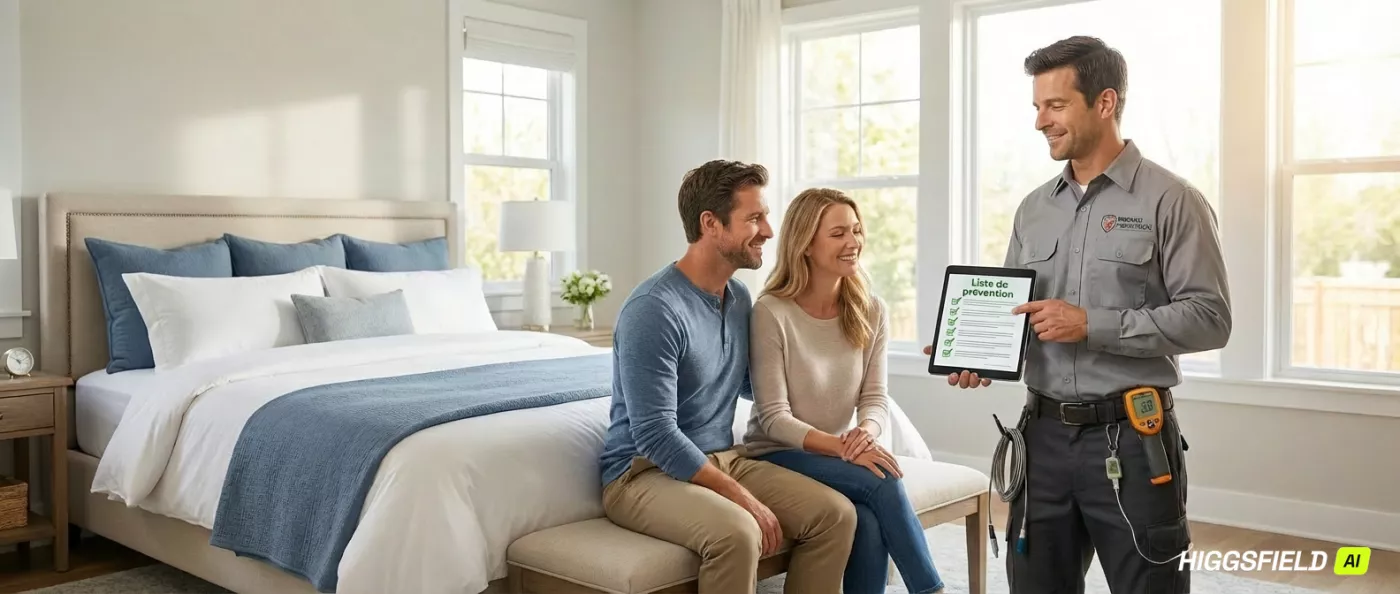
- prevention checklist (hotel stay, transport, return home)
- luggage/textile handling best practices
- simple repeatable checkpoints
Practical prevention measures that help in most cases
Travel and return home
- quick visual check around the bed area when staying away
- keep luggage away from beds and upholstered furniture when possible
- on return: heat-dry textiles if appropriate, inspect luggage and items
Second-hand items
- inspect seams, joints, cracks, and upholstery carefully
- avoid bringing upholstered items indoors without checks
Multi-unit living
- report early signs quickly (spots, insects, bites)
- limit movement of furniture between units without precautions
Request a follow-up plan
Tell us your context (home, building, hotel), your treatment history, and constraints. We will process your request and refer it to a specialized provider when available.
Request an evaluation
Describe your situation. We will process your request and forward it to a specialized company when available.
Or call us: (581) 710-5910